Table of Contents
- What Does Oud Smell Like? The Scent Profile Explained
- What Does Oud Smell Similar To? Familiar Comparisons
- Why Does Oud Smell Different in Every Perfume?
- Oud Perfume for Beginners: How to Start
- How Long Does Oud Perfume Last?
- How Oud Develops on Skin Over Time
- Conclusion
- Frequently Asked Questions
Last Updated: October 15, 2026
What Does Oud Smell Like? The Scent Profile Explained
Oud smells like warm, resinous wood with layers of damp earth, smoke, and a faint sweetness that deepens as it settles. The note is dense and dark rather than fresh, closer to aged timber and forest floor than to cut lumber. This guide from MASTAAN Perfumes breaks down what oud smell actually is, how it shifts across materials, and why the same word can describe two fragrances that seem to share almost nothing.
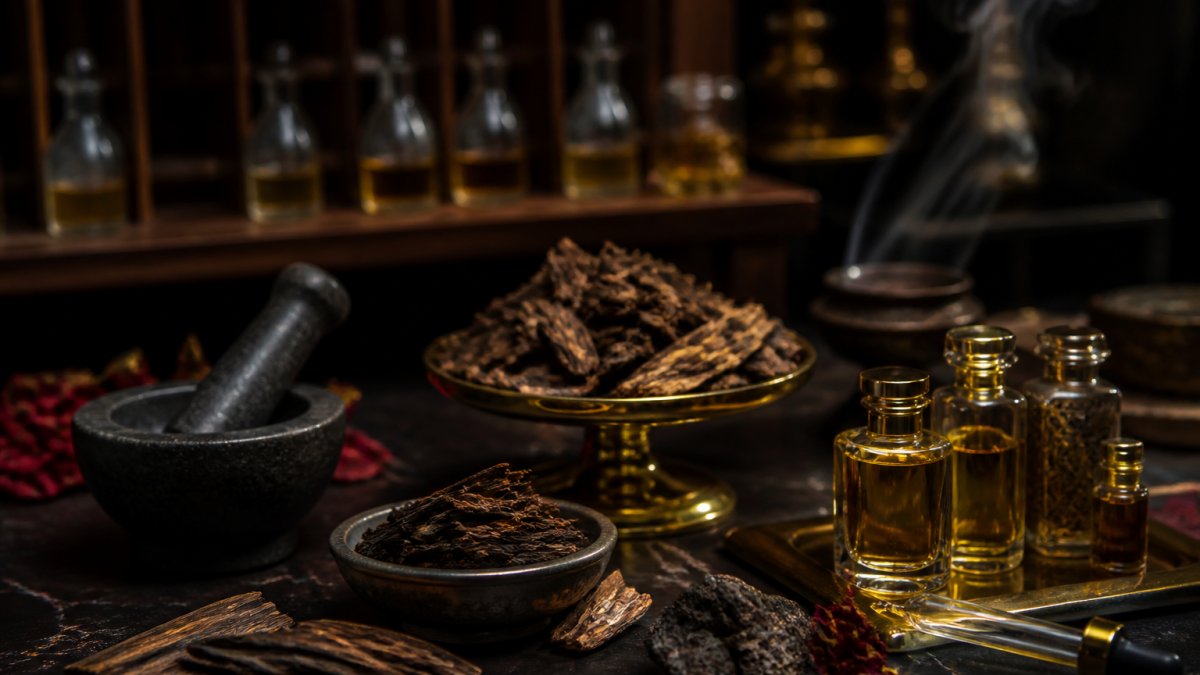
Oud is the aromatic resinous heartwood produced by Aquilaria trees when they respond to injury or infection, and it is the material behind the note most people mean when they say "oud." Because that resin forms slowly and unevenly, no two batches carry identical weight, which is the first reason the scent resists a single description.
Below, the guide covers the facets that make up an oud accord, familiar comparisons, and how to approach the note if it is new to you. Most beginners expect something sharp and are surprised by how soft the opening can be.
Woody, Earthy, and Resinous Facets
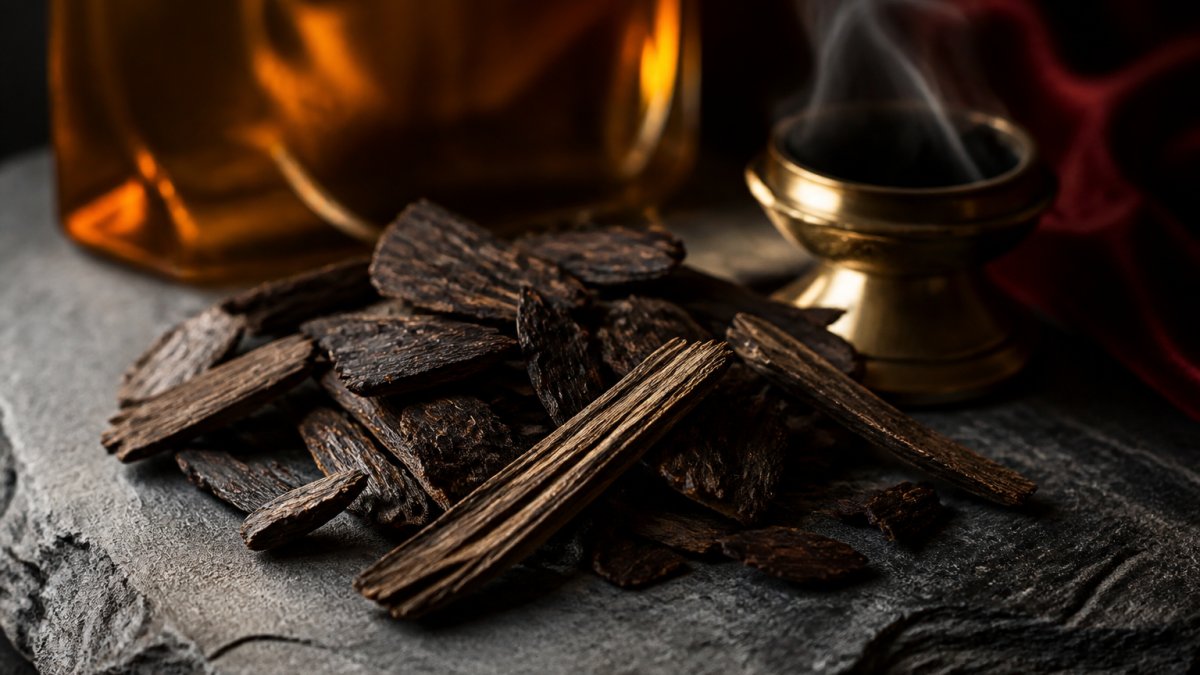
The foundation of oud is woody depth, and it reads darker than cedar or sandalwood. Think of aged timber stored in a damp cellar rather than a fresh plank. Earthy tones sit underneath: damp soil, moss, and the smell of a forest floor after rain. Resinous heartwood adds a thick, almost syrupy quality that gives oud its staying weight on skin.
Smoky, Sweet, and Animalic Facets
Smoke is the second layer, ranging from a dry campfire edge to something closer to incense. A slight sweetness often appears alongside it, sometimes leaning toward amber, which keeps the composition from turning bitter. Animalic, leathery, and medicinal facets show up in stronger concentrations: a tanned-leather warmth, or a faintly camphor-like bite. Not every oud carries all of these at once, and that variability is the point.
What Does Oud Smell Similar To? Familiar Comparisons
Oud smell is closest to a blend of sandalwood, smoked cedar, and damp earth, with a sweet resinous finish that recalls amber. If you have smelled frankincense or myrrh, the resinous quality will feel familiar, though oud is heavier and less bright. Leather-bound books, aged whiskey barrels, and a fireplace the morning after all land in the same territory.
The trick to picturing oud is to stop looking for one matching smell and start stacking familiar ones. Oud is a composite: it borrows the creamy base of sandalwood, the dry edge of cedar, the smoke of incense, and the warmth of leather, then binds them with a resinous sweetness. When you layer those references in your mind, you get much closer to the real thing than any single comparison allows.
Here is how each familiar smell maps onto a specific facet of oud, and where the comparison breaks down:
- Sandalwood shares the creamy, milky wood base, but lacks oud's smoke, resin, and animalic depth. Sandalwood stays smooth and polite; oud has a darker, more textured core.
- Cedar matches the dry, pencil-shaving timber edge, but cedar is clean and linear. Oud adds resin and earth on top of that dryness.
- Frankincense and myrrh capture the resinous, slightly medicinal smoke, but both stay brighter and more lifted. Oud sits lower and heavier, closer to the ground.
- Leather accords share the tanned, animalic warmth, but leather is usually smoother and more uniform. Oud carries that warmth alongside damp earth and wood.
- Damp forest floor gets you the earthy, mossy, slightly fungal undertone that many oud compositions carry beneath the smoke.
- Aged whiskey barrels and old libraries land on the sweet, woody, slightly vanillic side of oud's dry-down, where the resin turns warmer and rounder.
A useful mental exercise: imagine walking into an old wooden cabin after rain. You smell wet timber, a faint smokiness from a recently extinguished fire, a hint of leather from a worn chair, and something sweet and resinous in the air. That layered impression, not any single note, is what oud tends to evoke.
The note rarely appears alone. In most compositions it anchors the base, which is why it tends to be the last thing you notice and the longest thing you remember. If you want to test how oud reads alongside other materials, the MASTAAN Perfumes discovery set of four 5 ml fragrances lets you compare several interpretations on your own skin before committing to a full bottle.
Why Does Oud Smell Different in Every Perfume?
Oud smells different across fragrances because the raw material varies by tree, region, and how the resin was handled, and because perfumers pair it with different supporting notes. Two bottles can both list oud and smell like distant relatives.
The supporting cast does most of the visible work. Rose and oud is the classic pairing, and the floral note lifts the wood into something rounder. Saffron adds a dry, almost metallic shimmer. Vanilla and amber push the composition sweeter and warmer. Patchouli and vetiver pull it earthier. The same oud base can read smoky, sweet, or leathery depending on what sits beside it.
Natural Oud vs. Synthetic Oud Accords
Natural oud comes from resinous Aquilaria heartwood and carries the uneven, sometimes animalic character that makes the material prized. Synthetic oud accords are built from aroma compounds that recreate the woody, resinous, smoky profile in a consistent and repeatable way.
Neither is automatically better. Natural material varies batch to batch, which some wearers love and others find unpredictable. Synthetic accords give a perfumer control and let a house build a signature oud that smells the same every time. Many modern fragrances combine both, using a synthetic accord for structure and a touch of natural material for depth.
Oud Perfume for Beginners: How to Start
Beginners should start with a discovery set or a small format rather than a full bottle, because oud is a note people tend to love or find overwhelming. Testing several interpretations side by side is the fastest way to learn which facets you actually enjoy.
Shop Personalized Perfume Bottles →
A practical approach:
- Try lighter, rose-led or amber-led ouds before deep, animalic ones
- Wear each sample for a full day, not a quick wrist sniff
- Test on skin, since oud can read very differently on paper
- Note whether you prefer smoky, sweet, or leathery leanings
- Move to a full bottle only after a scent has held your attention all day
The MASTAAN Perfumes discovery set contains four 5 ml fragrances, which gives a low-commitment way to explore how different compositions sit on your skin before choosing a full size. For anyone weighing a first oud purchase, that trial step matters more than any description.
How Long Does Oud Perfume Last?
Oud perfume typically lasts longer than lighter floral or citrus compositions because the note sits in the base and evaporates slowly. Many wearers find oud-forward fragrances still detectable well into the day, though longevity depends on concentration, skin type, and how much is applied.
Concentration is the biggest variable. Parfum and eau de parfum formats generally hold longer than eau de toilette. Dry skin tends to release scent faster than oilier skin. Applying to pulse points and letting the fragrance dry without rubbing helps it settle. Longevity claims vary by person, so the honest answer is that oud tends to last, but how long on you is something only wearing it will tell.
How Oud Develops on Skin Over Time
Oud develops in three broad stages, and the note you smell at hour one is rarely the note you smell at hour six. Understanding the arc helps you judge a fragrance fairly.
Top notes arrive first and fade within the opening minutes. With oud compositions, this stage often carries citrus, spice, or a bright floral lift that softens the wood before it fully appears.
Heart notes emerge as the top fades, usually within the first hour. This is where rose, saffron, or leather often meet the oud and where the composition's real personality shows.
Base notes settle in and stay. Oud, amber, musk, and woods dominate here, and this is the phase most people associate with the note. The dry-down can take a few hours to fully arrive.
A skin scent sits close to the body, while sillage describes how far a fragrance travels. Oud-forward compositions often lean toward a moderate skin scent with a long tail rather than a loud projection, which is part of why they work in professional settings.
| Stage | When It Appears | What You Notice |
|---|---|---|
| Top notes | First 15-30 minutes | Citrus, spice, bright floral lift |
| Heart notes | 30 minutes to 2 hours | Rose, saffron, leather meeting the wood |
| Base notes | 2 hours onward | Oud, amber, musk, dry-down |
Conclusion
Oud resists a tidy description because it is a material, not a single smell, and every composition frames it differently. The practical move is to stop trying to imagine it and start testing it. MASTAAN Perfumes offers oud-led compositions including Royal Elixir, Dark Stone, Cherish, and La Royale Femme, along with a discovery set of four 5 ml fragrances and the option to personalize selected bottles with a name or message. Add to Cart and let the dry-down answer the question for you.
Frequently Asked Questions
What does oud smell similar to?
Oud often resembles a blend of familiar scents: damp forest floor after rain, aged cedar or sandalwood, warm amber, and faint leather. Some people also detect a smoky sweetness like dried fruit or honey. Because oud is complex, no single comparison captures it fully. The best way to understand the oud smell is to try it on your own skin, since body chemistry shifts how the notes unfold.
Why does oud smell different in different perfumes?
Oud varies because of the material used (natural agarwood oil versus synthetic oud accords), where the wood was sourced, and how the perfumer blends it with other notes. A fragrance that pairs oud with rose will smell floral and rich, while one that combines oud with leather or smoke will feel darker. Concentration and carrier oils also affect how the scent develops on skin.
Is oud a strong scent for beginners?
Oud can be intense, but beginner-friendly oud perfumes soften the edges with amber, vanilla, or floral notes. Start with a discovery set or a small vial so you can test how the oud smell wears on your skin over several hours. Apply one spray to your wrist, wait 30 minutes, and notice how the scent shifts before deciding on a full bottle.
How long does oud perfume last on skin?
Oud is a base note, so it typically lasts longer than lighter fragrance families. Many oud perfumes remain noticeable for six to ten hours, and some linger on clothing for days. Longevity depends on concentration, your skin type, and the other notes in the blend. Dry skin may absorb fragrance faster, so moisturizing before application may help improve wear time.