Table of Contents
- What Actually Makes Expensive Perfumes Cost More
- Fragrance Concentration and Longevity: Where Price Meets Performance
- Niche Fragrance Benefits vs. Mass-Market Alternatives
- The Role of Skin Chemistry and Scent Complexity
- Benefits of Discovery Sets Before Committing to Full Bottles
- Engraved Perfume Bottles as Investment Pieces
- Making the Decision: Is the Price Right for You?
- Frequently Asked Questions
Last Updated: September 30, 2026
What Actually Makes Expensive Perfumes Cost More
The price difference between a bottle costing under $50 and one priced at $140 or more rarely comes down to a single factor. Instead, expensive perfumes worth the investment typically combine several elements that drive up production costs and market positioning.
Fragrance concentration represents one of the most significant cost drivers. Eau de parfum formulations contain a higher percentage of fragrance oils, typically 15-20%, compared to eau de toilette at 5-15%. This higher concentration means more raw materials and more sophisticated blending techniques. The base notes, which determine longevity, require premium ingredients sourced globally.
Beyond concentration, the actual ingredients matter tremendously. Niche fragrances often use natural extracts and rare aromachemicals that mass-market alternatives skip. A bottle containing genuine Turkish rose or Haitian vetiver costs exponentially more to produce than synthetic substitutes. The craftsmanship involved in balancing these materials, creating a scent pyramid with distinct top notes, heart notes, and base notes, requires master perfumers with decades of experience.
Packaging and presentation add another layer of cost. Luxury bottles use heavier glass, custom stoppers, and premium boxes. When a perfume bottle can be personalized with engraving, the production process becomes more intricate, adding value beyond the liquid inside. The design itself, the shape, the weight in hand, the visual impact, communicates luxury and justifies premium pricing.
Fragrance Concentration and Longevity: Where Price Meets Performance
Higher fragrance concentration directly correlates with how long a scent lingers on skin and clothes. This relationship is fundamental to understanding whether expensive perfumes worth the investment actually deliver value.
An eau de parfum with a higher concentration of fragrance oils may last longer, depending on skin chemistry and application technique. The same fragrance in eau de toilette form, with a lower concentration, typically fades more quickly. This means a single application of expensive perfume might eliminate the need for reapplication during a workday, whereas cheaper alternatives demand midday touch-ups.
The economics become clearer with actual usage.
Sillage, the trail a fragrance leaves in the air, also ties to concentration and ingredient quality. Premium fragrances with complex base notes project more elegantly without overwhelming a room. Cheaper fragrances sometimes rely on aggressive synthetic notes that project loudly but fade quickly, creating an unpleasant olfactory experience.
Niche Fragrance Benefits vs. Mass-Market Alternatives
Niche fragrances occupy a distinct market position between mass-market designer scents and ultra-luxury exclusives. Understanding the differences clarifies whether expensive perfumes worth the premium actually deliver distinct value.
Mass-market fragrances prioritize broad appeal and consistency. They use proven formulas with synthetic aromachemicals that cost less to source and blend predictably across batches. The result is a reliable, affordable scent that smells the same in every bottle. Marketing costs drive pricing more than ingredient quality, with celebrity endorsements and advertising budgets often exceeding production expenses.
Niche fragrances take a different approach. They prioritize olfactory complexity and artistic expression over maximum market reach. A niche perfumer might spend months developing a single fragrance, sourcing rare materials and testing countless variations. The resulting scent often features unexpected note combinations, leather with florals, woody undertones with citrus brightness, that create memorable, distinctive olfactory profiles.
Niche fragrances also tend to evolve on skin. The scent pyramid unfolds over hours, revealing different facets as top notes fade and base notes emerge. This complexity demands attention and engagement from the wearer. Mass-market fragrances often remain relatively static, maintaining the same character from application through fade.
| Aspect | Niche Fragrances | Mass-Market Fragrances |
|---|---|---|
| Fragrance Concentration | 15-20% (eau de parfum typical) | 5-15% (eau de toilette common) |
| Ingredient Quality | Premium natural extracts, rare materials | Synthetic aromachemicals, cost-optimized |
| Longevity | 6-8+ hours typical | 3-4 hours typical |
| Scent Complexity | Multi-faceted pyramid, evolving notes | Consistent, linear profile |
| Batch Variation | Expected, natural variation | Minimized through standardization |
| Marketing Focus | Artistic expression, niche appeal | Celebrity endorsement, mass appeal |
The Role of Skin Chemistry and Scent Complexity
Expensive perfumes worth the investment often fail to deliver value if skin chemistry doesn't align with the fragrance profile. This unpredictable variable explains why price alone never guarantees satisfaction.
Skin chemistry affects how fragrance compounds interact with natural oils and pH levels. A scent that smells sophisticated on one person might smell sour or chemical on another. The same perfume can smell different in the morning versus evening, depending on body temperature and hydration levels. This variability means expensive perfumes worth the money for one wearer might be a poor investment for another.
Scent complexity amplifies this chemistry factor. A simple, linear fragrance with straightforward notes, clean citrus, basic musk, remains relatively stable across different skin types. A complex fragrance with multiple layers, oud, leather, florals, woody notes, interacts differently with each wearer's chemistry, sometimes creating unexpected results.
Shop Personalized Perfume Bottles →
The blind test concept proves valuable here. Smelling a fragrance on paper or in a store differs significantly from experiencing it on skin over several hours. A fragrance that smells beautiful in the bottle might turn sour after an hour, or it might transform into something entirely different by evening. Expensive fragrances often reward extended wear time because the base notes develop character as they settle into skin chemistry.
This is where discovery sets provide genuine value. Trying multiple fragrances on skin before committing to full bottles reveals which scents align with personal chemistry. What seems expensive upfront becomes economical if it prevents purchasing a full-size bottle that doesn't work.
Benefits of Discovery Sets Before Committing to Full Bottles
A discovery set offers a practical solution to the fundamental problem of fragrance purchasing: the inability to predict how a scent will perform on personal skin chemistry before investing significantly.
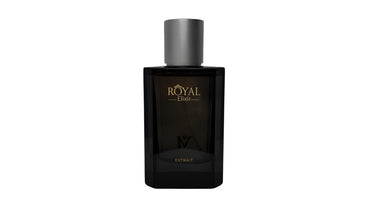
The MASTAAN Discovery Set contains four 5ml fragrances, La Royale Femme, Royal Elixir, Dark Stone, and Cherish, allowing exploration of different olfactory profiles without full-size commitment. Each 5ml sample provides enough product for multiple wears, revealing how the fragrance evolves over time and how skin chemistry influences the scent experience.

This approach addresses several practical concerns. First, it eliminates the risk of purchasing a full bottle that doesn't align with personal preferences or skin chemistry. Second, it allows side-by-side comparison of different fragrances over several days, revealing which scent resonates most strongly. Third, it provides genuine value through the included gift discount code that applies the discovery set cost toward a full-size bottle purchase.
The time factor matters significantly. A single application on skin in a store provides minimal information. A fragrance might smell beautiful for the first hour, then develop unexpected notes, or fade unevenly. Testing over multiple days reveals the complete olfactory journey and how the scent performs in different settings, professional environments, social occasions, daily wear.
For fragrance enthusiasts building a fragrance wardrobe, discovery sets clarify which scents deserve permanent shelf space. Rather than accumulating full bottles of fragrances that don't work, a strategic approach using discovery sets first ensures each purchase serves actual needs and preferences.
Engraved Perfume Bottles as Investment Pieces
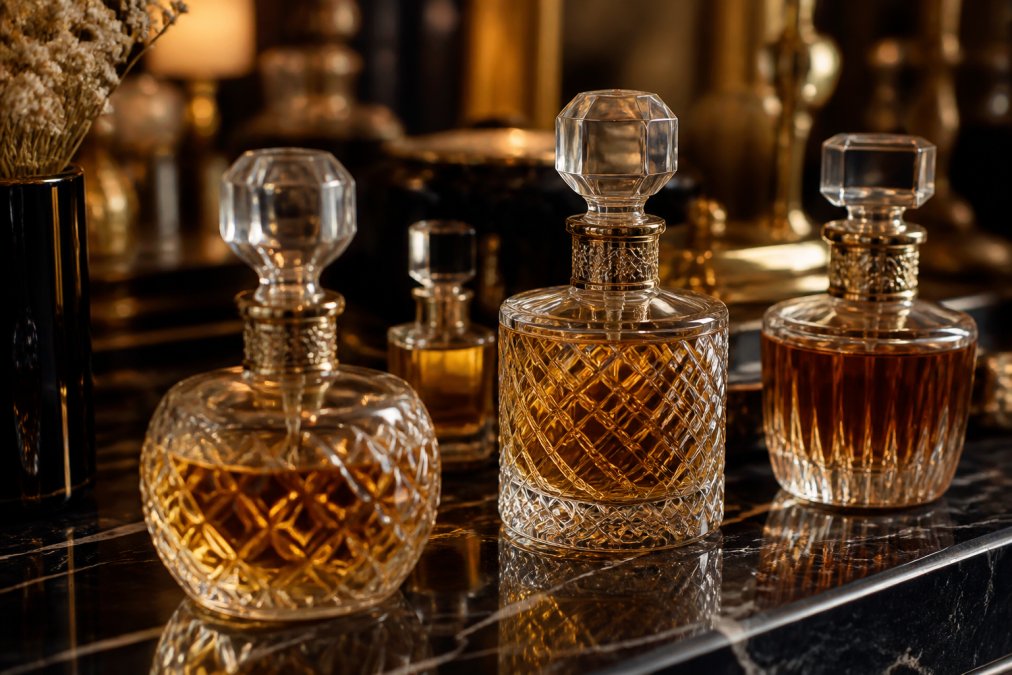
Personalized perfume bottles transcend functional fragrance containers and enter the realm of meaningful luxury gifts and personal investment pieces. This distinction affects both the perceived and actual value of expensive perfumes.
A perfume bottle engraved with a name or special message transforms the product from consumable to keepsake. The personalization process requires additional craftsmanship and production steps, adding value beyond the fragrance itself. For gift-giving occasions, anniversaries, significant milestones, professional recognition, an engraved bottle communicates thoughtfulness and permanence.
The investment aspect operates on multiple levels. First, the physical bottle itself becomes a collectible object.
Making the Decision: Is the Price Right for You?
Determining whether expensive perfumes worth the money requires honest assessment of personal priorities, usage patterns, and fragrance preferences. There is no universal answer, the calculation differs for each person.
Frequently Asked Questions
Can you actually smell the difference between cheap and expensive perfumes?
Yes, but it depends on fragrance concentration and ingredient quality. Expensive perfumes typically contain higher concentrations of fragrance oils, which means stronger sillage and longer longevity. The olfactory profile also tends to be more complex, with distinct top notes, heart notes, and base notes that evolve over hours. However, your skin chemistry plays a role, what smells premium on one person may perform differently on another. Testing through a discovery set lets you experience this difference firsthand before investing in a full bottle.
What factors contribute most to the price of luxury perfumes?
Fragrance concentration (eau de parfum costs more than eau de toilette), sourcing of raw materials, perfumer craftsmanship, bottle design, and brand positioning all drive cost. Natural extracts and rare ingredients increase price significantly. Marketing and packaging also factor in, though niche brands typically invest more in quality ingredients than mass-market alternatives. A luxury niche fragrance like those in MASTAAN's collection reflects investment in distinctive scent profiles and sustained longevity rather than just brand hype.
Is it better to buy a discovery set before investing in a full bottle?
Absolutely. A discovery set eliminates the risk of blind-buying and helps you understand how a fragrance interacts with your skin chemistry over time. MASTAAN's Discovery Set ($34.99) contains four 5ml samples, letting you test La Royale Femme, Royal Elixir, Dark Stone, and Cherish. Once you find your favorite, you can apply your gift discount code toward a full-size bottle. This approach prevents expensive mistakes and ensures you're choosing a fragrance that genuinely suits your preferences and skin.
How does fragrance concentration affect whether expensive perfumes are worth buying?
Fragrance concentration directly impacts longevity and sillage. Eau de parfum (with a higher concentration of fragrance oils) costs more than eau de toilette (with a lower concentration) but lasts significantly longer. This means expensive perfumes with higher concentration deliver better value per wear, even at higher upfront cost. Over time, needing fewer applications of a concentrated fragrance can offset its initial price. Understanding this difference helps you evaluate whether the premium justifies your budget and lifestyle.