Table of Contents
- What Vanilla Smells Like in Fine Fragrance
- Natural Vanilla Extract vs. Synthetic Vanillin
- Best Fragrance Notes to Layer With Vanilla
- Who Vanilla Suits and When to Wear It
- Vanilla Perfume Longevity: Making the Scent Last
- Niche Perfume Discovery Sets: Trying Before Committing
- Conclusion
- Frequently Asked Questions
Last Updated: September 20, 2026
What Vanilla Smells Like in Fine Fragrance
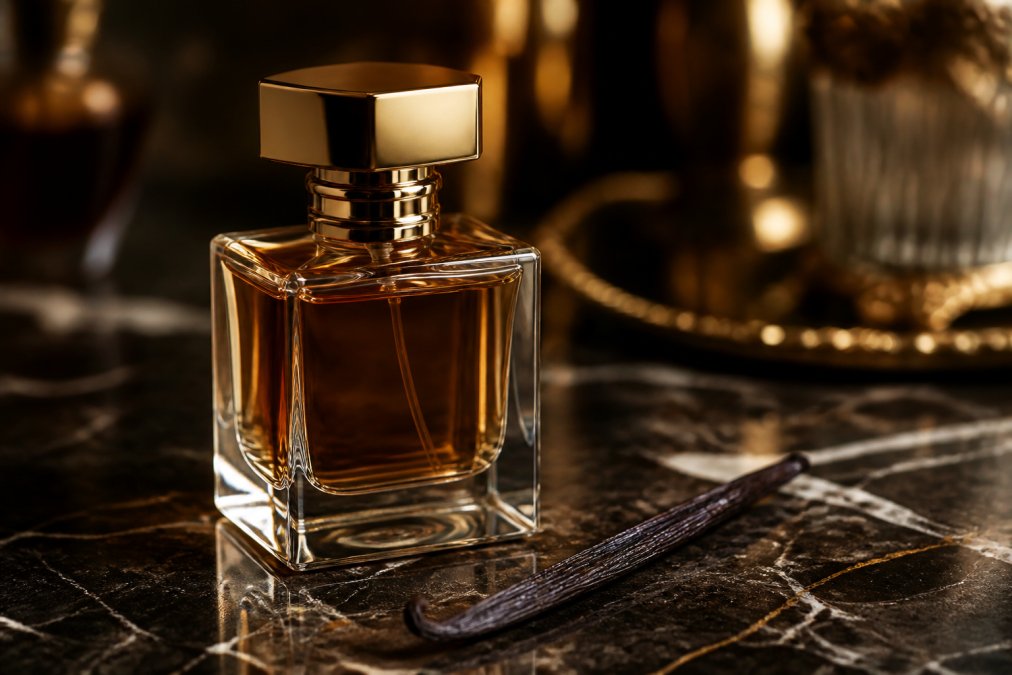
Fragrance vanilla is one of the most recognized and most misunderstood materials in perfumery, and the exact phrase fragrance vanilla captures why. In fine fragrance, vanilla is a warm, creamy base note that can read as anything from soft and powdery to dark, resinous, and smoky, depending on the surrounding accord. This guide from MASTAAN Perfumes walks through what vanilla actually smells like, which notes pair with it, who it suits, and how to make it last longer on skin.
From Creamy Sweetness to Smoky Depth
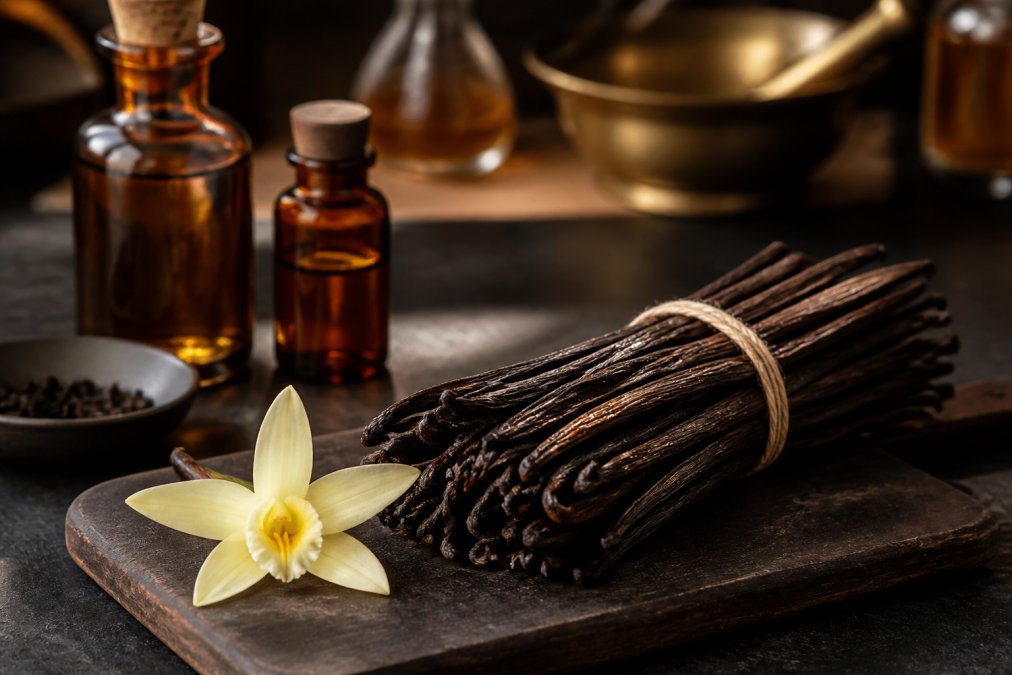
Vanilla absolute and vanilla CO2 extract carry a rich, almost edible warmth with hints of dried fruit, leather, and tobacco. Synthetic vanillin, by contrast, tends to smell cleaner and more one-dimensional, closer to confectionery than to the pod itself.
Natural Vanilla Extract vs. Synthetic Vanillin
Most guides stop at "natural is complex, synthetic is simple." That misses the part that actually matters when you are choosing a bottle: which vanilla you are smelling, how it was pulled from the pod, and what that does to the arc of the fragrance on your skin.
The Three Vanilla Species You Will Actually Encounter
Vanilla is an orchid, the only orchid that produces an edible fruit, and three species dominate perfumery and flavor work:
- Vanilla planifolia (Bourbon vanilla). Grown in Madagascar, Réunion, and nearby Indian Ocean islands. This is the reference vanilla: creamy, sweet, with a soft balsamic and slightly leathery undertone. Most "classic vanilla" accords are built to evoke it.
- Vanilla tahitensis (Tahitian vanilla). Grown in French Polynesia. Lower in vanillin, higher in other aromatic compounds, which gives it a fruitier, more floral, sometimes anisic character. Perfumers reach for it when they want vanilla that reads bright rather than dessert-like.
- Vanilla pompona. A lesser-used species from Central and South America, with a heavier, more resinous, sometimes smoky profile. It shows up in small amounts to add weight.
How the Pod Becomes a Perfume Material
Raw vanilla pods are essentially odorless. The characteristic smell develops during curing, a months-long process of alternating sun-drying and sweating that triggers enzymatic reactions and builds the aromatic compounds. After curing, the material reaches perfumery through one of a few routes:
- Solvent extraction produces a vanilla absolute or oleoresin, a dark, thick, intensely rich material with the full complexity of the cured pod.
- CO2 extraction uses pressurized carbon dioxide to pull aroma compounds at low temperature. The result is often described as closer to the living pod, with a cleaner top and less of the caramelized heaviness of a solvent absolute.
- Tincture, macerating cured pods in alcohol, is the traditional route and produces a softer, more diffusive effect, though it is less common in modern commercial production.
What Vanillin Actually Is
Vanillin is a single aromatic molecule, the one most responsible for the familiar sweet, creamy vanilla smell. It occurs naturally in cured pods, but the vanillin used in the vast majority of fragrances is synthesized, typically from guaiacol (itself derived from petrochemical or wood-derived feedstocks) or from lignin, a byproduct of wood pulp processing. Ethyl vanillin is a related molecule, roughly several times more potent by weight, and it is common in gourmand and confectionery-style accords.
What This Means on Your Skin
The practical difference shows up in the dry down:
- A vanillin-led composition tends to stay fairly linear, bright, sweet, and recognizable from first spray to final hour. It projects cleanly and predictably.
- A natural-extract-led composition often unfolds in stages, with the sweetness gradually folding into ambery, woody, or balsamic facets as the hours pass. It can feel rounder and less "loud."
- Most commercial fragrances use both. A perfumer may anchor the accord with vanillin for lift and consistency, then round the edges with a touch of absolute or CO2 extract for depth.
Neither route is inherently better. What matters is how the material sits inside the olfactory pyramid: top notes fade within minutes, heart notes carry the character, and base notes like vanilla determine what lingers on skin hours later.
A Note on Sensitivity
Fragrance sensitivity varies from person to person and may be caused by different ingredients in a finished perfume—not necessarily vanilla or vanillin. If a fragrance causes redness, itching, or discomfort, stop using it on your skin. Testing a small amount first can help determine how your skin responds.
Best Fragrance Notes to Layer With Vanilla
The best notes to layer with vanilla are those that balance its sweetness without burying it. Tonka bean, amber, sandalwood, and soft spices tend to work well because they share vanilla's warmth. Bright citrus or green notes can also work, but they need to sit underneath the vanilla rather than compete with it.
Pairings That Work by Fragrance Family
Fragrance Family |
Complementary Notes |
Effect on Vanilla |
|---|---|---|
Ambery |
Amber, benzoin, labdanum |
Deepens warmth and resinous depth |
Woody |
Sandalwood, cedar, vetiver |
Adds dry structure and sillage |
Spicy |
Cinnamon, cardamom, pink pepper |
Sharpens sweetness with aromatic lift |
Gourmand |
Tonka bean, caramel, cocoa |
Builds a richer, dessert-like accord |
Floral |
Jasmine, orange blossom, rose |
Softens vanilla with a sensual heart |
Layering works best when one fragrance is simpler than the other. Spray the heavier, more resinous scent first, then add the lighter vanilla-forward one on top. The result is a longer-lasting, more personal accord than either fragrance delivers alone.
Who Vanilla Suits and When to Wear It
Vanilla suits almost anyone, but the version matters, and so does the weather. This is the section most guides skip, and it is the one that determines whether your vanilla fragrance feels luxurious or overwhelming.
Matching the Vanilla Profile to the Person
- Creamy, gourmand vanilla (think tonka, caramel, cocoa) reads casual, comforting, and approachable. It flatters people who like soft, edible-adjacent scents and who don't want a fragrance that announces itself across a room.
- Ambery, resinous vanilla (benzoin, labdanum, amber) reads deeper, warmer, and more sensual. It tends to suit evening wear and cooler months, and it holds its shape well on skin over long stretches.
- Smoky or woody vanilla (vetiver, cedar, tobacco-adjacent accords) reads more formal and structured. It works well for people who find straight gourmand vanilla too sweet.
- Floral vanilla (jasmine, orange blossom, rose) softens the note into something more traditionally feminine-leaning, though the pairing works across the board.
There is no gender rule here. Vanilla is one of the few notes that reads equally well on men and women, what changes the impression is the surrounding accord, not the vanilla itself.
How Heat and Cold Change Vanilla
This is the mechanism most guides leave out. Fragrance molecules evaporate faster as temperature rises, and humidity affects how they diffuse off skin. The result:
- In high heat and humidity, vanilla projects harder and faster. The same two sprays that feel subtle in January can feel cloying in July. The fix is not to abandon vanilla in summer, it is to reduce the dose and choose a lighter, brighter vanilla profile (Tahitian-leaning, citrus-topped, or floral-forward) rather than a heavy resinous one.
- In cold, dry air, vanilla molecules evaporate more slowly and skin holds less moisture, so the scent can feel quieter and fade faster than expected. A fuller application and a richer vanilla profile (ambery, woody, gourmand) tend to perform better.
- In air-conditioned indoor environments, the effect mimics cold weather even in summer, low humidity pulls moisture from skin and can shorten wear time. A light moisturizer before application helps.
A Practical Seasonal Framework
Season |
Vanilla Profile to Reach For |
Application Approach |
|---|---|---|
Summer / hot, humid |
Tahitian-leaning, citrus- or floral-topped, lighter gourmand |
One to two sprays, pulse points only |
Spring / mild |
Floral vanilla, soft gourmand |
Two sprays, pulse points and chest |
Fall / cool, dry |
Ambery, woody, spiced vanilla |
Two to three sprays, add a light layer on clothing |
Winter / cold |
Resinous, gourmand, smoky vanilla |
Three sprays, pulse points plus a spritz on a scarf or coat lining |
Occasions
- Daytime, casual: creamy or floral vanilla, applied lightly.
- Office: a lighter vanilla profile, one to two sprays, applied before you dress so the scent settles.
- Evening: ambery or smoky vanilla, applied more generously.
- Special occasions and gifts: a richer, more structured vanilla composition, and if you want it to feel personal, selected MASTAAN perfume bottles can be personalized with a name or short message.
A Quick Word on Testing
Because vanilla behaves so differently across skin types, climates, and seasons, the only reliable way to judge a bottle is to wear it, not smell it on paper. A discovery set lets you test several compositions on your own skin over days or weeks, which is the closest thing to knowing how a fragrance will actually perform in your life.
Vanilla Perfume Longevity: Making the Scent Last
Vanilla perfume longevity depends on concentration, skin type, and application. Eau de parfum typically carries a higher concentration of fragrance oils than eau de toilette, and vanilla base notes naturally cling longer than citrus or green top notes. Even so, dry skin, humidity, and application technique all affect how long a scent stays.
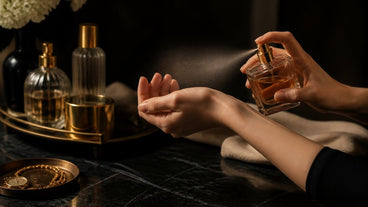
Application Techniques That May Help Improve Wear Time
- Moisturize first. Hydrated skin may help improve how long fragrance clings, since dry skin absorbs oils faster.
- Spray on pulse points: wrists, inner elbows, base of the throat, and behind the knees.
- Avoid rubbing wrists together after spraying, which can break down the top notes prematurely.
- Spray onto clothing or hair with care, since fabric holds scent longer than skin but can stain.
- Layer with a matching body product if available, which may help improve sillage and wear time.
A common mistake is spraying vanilla fragrance onto dry skin in an air-conditioned room and expecting it to last all day. In practice, the base notes fade faster in low humidity. A light unscented moisturizer before application is one of the simplest fixes.
Niche Perfume Discovery Sets: Trying Before Committing
Niche perfume discovery sets solve the biggest problem in fragrance shopping: you cannot smell a scent through a screen. A discovery set lets you test several compositions on your own skin over days or weeks, which is the only reliable way to judge how a fragrance behaves on you.
Conclusion
Vanilla can smell creamy, sweet, floral, woody, smoky, or resinous depending on the ingredients surrounding it. Choosing the right vanilla fragrance depends on your personal taste, the season, and the occasion. Test fragrances on your skin, apply them to moisturized pulse points, and consider a discovery set before purchasing a full bottle. Explore MASTAAN Perfumes to discover long-lasting fragrances created for different styles and occasions.
Frequently Asked Questions
What does vanilla smell like in high-end perfumery?
In fine fragrance, vanilla reads as warmth, creamy sweetness, and depth rather than the flat scent of baking extract. It often carries ambery, slightly spicy, or woody facets depending on the surrounding notes. As a base note, it anchors the dry down and can shift from syrupy and gourmand to smoky and sensual. The olfactory profile depends on whether the perfumer uses natural extract or synthetic vanillin, and on what sits alongside it in the olfactory pyramid.
Which fragrance notes pair best with vanilla?
The best fragrance notes to layer with vanilla tend to fall into a few families. Tonka bean and amber deepen the creamy sweetness. Sandalwood, cedar, and oud add smoky, woody contrast. Spices like cinnamon, cardamom, and saffron bring warmth. For brighter pairings, citrus top notes or soft florals keep the composition from feeling heavy. The goal is contrast: vanilla alone can read sweet, but a well-chosen accord gives it structure and dimension.
How can I make my vanilla-based perfume last longer on my skin?
Vanilla perfume longevity depends on concentration, skin type, and application. Eau de parfum generally outlasts eau de toilette because it carries a higher fragrance concentration. Apply to moisturized skin, since dry skin releases scent faster. Target pulse points: wrists, neck, and behind the ears. Layering a matching body product underneath can help extend wear. Fragrance concentration and sillage vary by person, so test on your own skin before committing to a full bottle.
What makes niche vanilla fragrances different from mass-market options?
Niche houses typically work with smaller batches and more distinctive accords, so a vanilla scent may lean smoky, resinous, or spiced rather than uniformly sweet. Niche perfume discovery sets let you sample several compositions before buying full size, which matters when vanilla behaves differently on every person. If you want to explore this route, MASTAAN Perfumes offers a discovery set with four 5 ml fragrances, and selected bottles can be personalized with a name or message.
Vanilla is one of the most versatile notes in perfumery, but it rewards patience and testing more than most. MASTAAN Perfumes builds Oriental-French compositions for men and women who want a scent that develops over hours rather than minutes, with a discovery set for trying before committing and personalization options on selected bottles. Add to Cart at mastaanperfumes.com and find the vanilla accord that fits your skin.