ARTICLE
Last Updated: November 1, 2026
Quick Summary
Choosing the right eau de parfum concentration means matching the formula to your wear window and projection needs, then adjusting application before changing tiers. An eau de parfum typically lasts six to eight hours, so it suits full days and evenings, while lighter tiers suit reapplication. Judge any bottle on skin, not on the tier label alone.
Eau de toilette leads with bright top notes; eau de parfum gives heart and base notes more time on skin.
Rough wear windows are three to four hours for eau de toilette and six to eight hours for eau de parfum.
Choose the lowest concentration that meets your wear-window and projection needs, then adjust application.
Eau de parfum usually needs one to three sprays, placed deliberately at pulse points.
Two bottles sharing the same tier label can wear differently due to base materials and skin chemistry.
Table of Contents
What Eau de Parfum Concentration Actually MeansThe Four Main Concentration Tiers
Eau de Toilette vs. Eau de Parfum: Concentration and Character
How Concentration Affects Longevity, Sillage, and ProjectionWhy Two Eau de Parfums Can Wear Differently
A Practical Decision Framework for Choosing Eau de Parfum
Step 1: Set a Target Wear Window
Step 2: Choose a Projection Level
Step 3: Account for Sensitivity
Step 4: Match the Formula to the Scent Family
A Quick Decision Shortcut
Fragrance Longevity Tips for Every Concentration
Preparation That Works Across Tiers
Eau de Cologne and Eau de Toilette: Plan to Reapply
Eau de Parfum: Apply Less, Place It Deliberately
Parfum and Extrait: One or Two Touches at Most
Storage Rules That Protect Every Concentration
Fragrance Layering Techniques by Concentration
Why Luxury Fragrance Discovery Sets Help You Decide
Find Your Concentration at MASTAAN Perfumes
Frequently Asked Questions
What Eau de Parfum Concentration Actually Means
Choosing the right eau de parfum concentration starts with one fact: the label on the bottle describes how much fragrance oil is dissolved in the alcohol base, and that single variable shapes how the scent opens, how long it stays, and how far it travels.
A fragrance concentration is the proportion of perfume oil to alcohol and water in a finished bottle. Higher oil content generally means a richer, slower-opening scent, though the relationship is not perfectly linear.
The Four Main Concentration Tiers
Most fragrance houses work within four recognizable tiers, each built around a different oil-to-alcohol ratio:
Eau de Cologne: the lightest tier, built for a quick, bright refresh and frequent reapplication.
Eau de Toilette: a middle-light tier that balances clarity with a few hours of wear.
Eau de Parfum: a fuller tier where the heart and base notes have room to develop.
Parfum, also called Extrait de Parfum: the densest tier, applied in small amounts and worn close.
The tiers are conventions, not regulations, so a house can label a formula within broad industry habits. That flexibility is why two bottles marked eau de parfum can feel like different products entirely.
Eau de Toilette vs. Eau de Parfum: Concentration and Character
The practical split between eau de toilette and eau de parfum comes down to character as much as strength.
That difference changes how a fragrance reads in a room. A toilette is often described as crisp and immediate; a parfum as rounder and more deliberate.
Watch out: assuming a higher tier automatically means a "better" scent.
How Concentration Affects Longevity, Sillage, and Projection
Longevity is how long a fragrance remains detectable on skin. Sillage is the scent trail left behind as the wearer moves. Projection is how far the scent radiates from the body at a given moment. All three rise with oil content, but not at the same rate.
A higher concentration usually extends longevity and deepens projection, yet the base materials matter just as much. A reader who wants more wear time from a chosen bottle can find practical guidance in how to make perfume last longer on skin, which covers application and storage habits that support longevity.
Why Two Eau de Parfums Can Wear Differently
Two bottles sharing the same tier label can behave like strangers. One house may load the formula with heavy base materials; another may keep it airy and top-note driven. Skin chemistry adds another variable: skin type, natural pH level, and body temperature all influence how quickly a fragrance evaporates and how it unfolds.
The takeaway is simple. Judge a fragrance on skin, not on the tier name alone. A test strip tells you about the composition; only wear tells you about the performance.
The three performance terms rise with oil content, but not at the same rate, and base materials matter just as much.
Term
What it means
How concentration affects it
Longevity
How long a fragrance remains detectable on skin
Usually extends with higher oil content
Sillage
The scent trail left behind as the wearer moves
Rises with oil content, but not at the same rate
Projection
How far the scent radiates from the body at a moment
Usually deepens with higher concentration
Base materials
Resins, woods, ambers, and musks
Tend to hold longer than bright citrus top notes
Skin variables
Skin type, natural pH level, body temperature
Influence how quickly a fragrance evaporates and unfolds
A Practical Decision Framework for Choosing Eau de Parfum
Decision framework flowchart for comparing two fragrance bottles using tester strips on a wooden tray
Most guides describe concentration tiers and stop there. A decision framework goes further: it turns "eau de parfum is stronger than eau de toilette" into a repeatable process for matching a formula to how you actually wear scent.
Step 1: Set a Target Wear Window
Decide how long you need the fragrance to remain detectable before you shop. A common pattern is roughly three to four hours for an eau de toilette, six to eight hours for an eau de parfum, and longer for a parfum or extrait, but treat these as rules of thumb rather than guarantees. Formula, skin, and environment can move those windows by hours in either direction.
Step 2: Choose a Projection Level
Projection is how far the scent radiates from your body at a given moment, and it is the variable most often ignored. Ask where the fragrance will be worn:
Close-quarters settings (shared offices, classrooms, medical settings, public transit): favor modest projection. A lighter hand with an eau de parfum, or a low-projection formula, is usually more considerate than a heavy application of a dense parfum.
Open or social settings (dinners, events, evenings out): a fuller eau de parfum can carry without overwhelming.
Outdoors and warm weather: heat tends to amplify a scent, so the same bottle may project more than expected.
Step 3: Account for Sensitivity
Some wearers and bystanders find strong or heavily applied scents bothersome, so it is worth planning for. If you or the people around you are sensitive, choose a lower-projection application and test new formulas sparingly before committing to a full bottle. A discovery set lets you trial a formula in small amounts across several days rather than guessing from a single counter spray.
Step 4: Match the Formula to the Scent Family
Concentration and composition interact. Oriental, amber, and woody profiles usually reward a higher oil load because their base materials have room to develop; fresh citrus and light floral profiles can read cleanly in a lighter tier and may turn heavy if over-concentrated. This is a tendency, not a rule, but it helps explain why a dense parfum built on bright citrus can feel muddled while an eau de parfum built on resins feels complete.
Shop Personalized Perfume Bottles →
A Quick Decision Shortcut
If you want a single rule of thumb: choose the lowest concentration that meets your wear-window and projection needs, then adjust application before adjusting tier. Many wearers over-spray a strong formula when a lighter one applied correctly would have served better.
Fragrance Longevity Tips for Every Concentration
Generic longevity advice (moisturize, spray pulse points, don't rub) appears in nearly every guide. What most guides miss is that application, reapplication, and storage should change with the concentration tier. The tips below are organized by concentration so you can get better results from the bottle you already own.
Preparation That Works Across Tiers
Start with moisturized skin. Apply an unscented lotion and let it absorb before spraying; hydrated skin tends to hold scent longer than dry skin. Spray onto pulse points where skin stays warm, and let the fragrance settle rather than rubbing the wrists together, which can break down top notes faster. These habits help at every tier, but the payoff is largest with lighter concentrations that fade soonest.
Eau de Cologne and Eau de Toilette: Plan to Reapply
Lighter tiers are built for refreshment, so treat reapplication as part of the routine rather than a failure. Carry a travel atomizer and reapply at midday rather than over-spraying in the morning. Two or three light applications spaced through the day can be easier to wear than one heavy application. Store the atomizer away from heat and direct sunlight so the formula stays intact between uses.
Eau de Parfum: Apply Less, Place It Deliberately
Eau de parfum usually needs fewer sprays than a toilette. A common pattern is one to three sprays depending on the formula and setting: one at the base of the neck or chest, one on each wrist, and optionally one on clothing if the fabric allows. Because the base notes develop slowly, resist the urge to top up in the first hour; give the formula time to unfold before deciding it needs more.
Parfum and Extrait: One or Two Touches at Most
The densest tier is applied in small amounts and worn close. One or two touches at the pulse points is usually sufficient, and over-application is the most common mistake. Longevity varies by person, formula, and environment, so judge by wear rather than by the label.
Storage Rules That Protect Every Concentration
Heat, direct sunlight, and bathroom humidity degrade a formula over time regardless of tier. Keep bottles capped in a cool, dark place, and avoid storing them on a sunny windowsill or above a radiator. Store every concentration with the same care, away from heat and light.
Pro Tip
If you are testing a new concentration, wear it for a full day before deciding. A single sniff at a counter tells you about the opening; only wear tells you about the dry-down and how the formula behaves on your skin.
Fragrance Layering Techniques by Concentration
Fragrance layering techniques work best when the tiers are matched deliberately.
Keep the pairing coherent. Beginners who want a structured method can follow how do you layer perfumes for beginners for a step-by-step approach.
Watch out: layering two intense parfums at once. The combination can overwhelm a room and make the individual notes hard to read.
Why Luxury Fragrance Discovery Sets Help You Decide
A luxury fragrance discovery set removes the biggest risk in choosing a concentration: buying a full bottle before knowing how a formula behaves on your skin.
The MASTAAN Perfumes discovery set contains four 5 ml fragrances, a compact way to compare how different scents develop. build a signature fragrance wardrobe with discovery sets explains how to structure that collection over time.
Find Your Concentration at MASTAAN Perfumes
The right concentration is the one that matches how you actually wear scent. A person who wants a quiet, close-wearing signature will choose differently from someone dressing for an evening where the fragrance should announce itself.
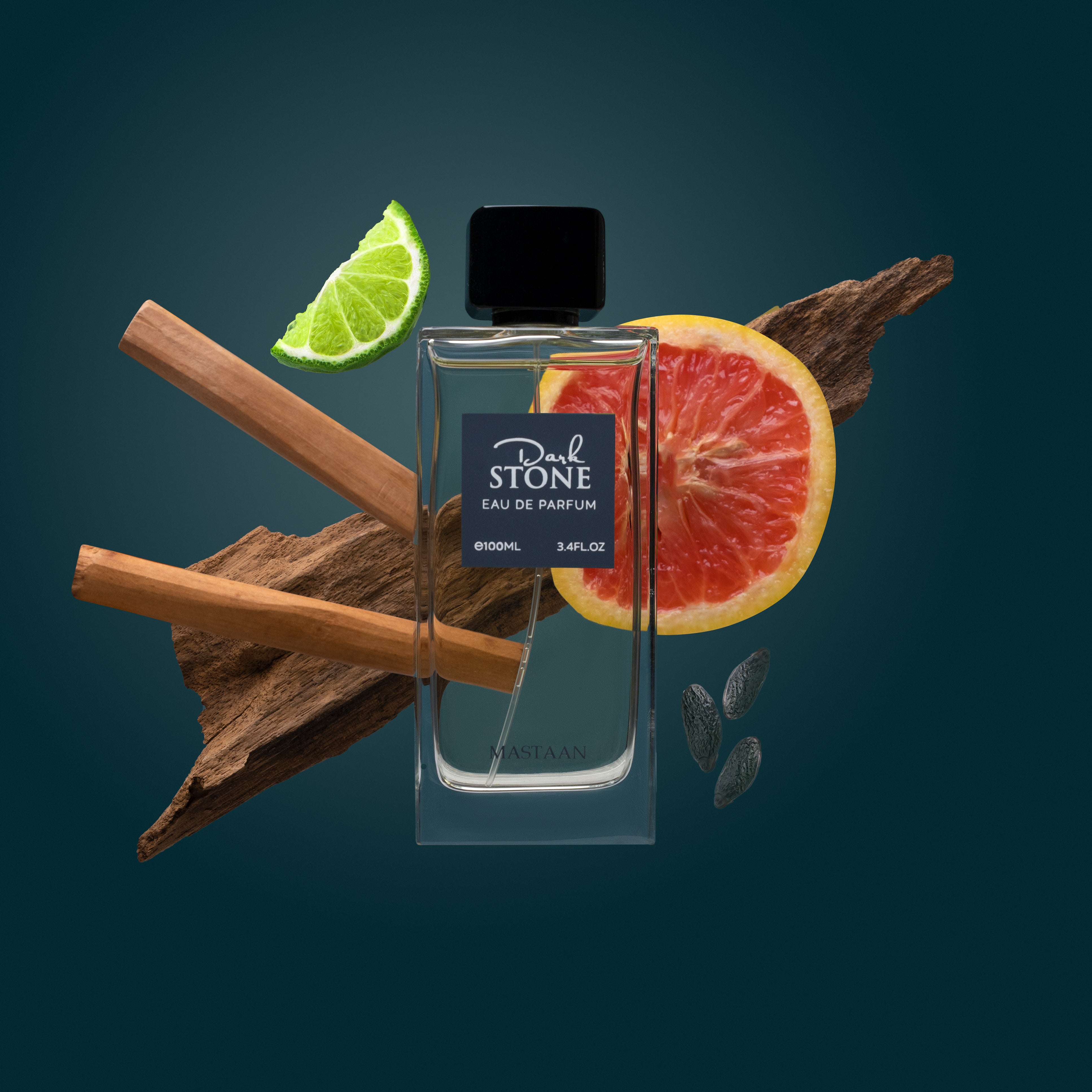
MASTAAN Perfumes builds its collection around that range. Dark Stone, a woody masculine eau de parfum, pairs bright citrus with warm woods and creamy tonka for a grounded, confident profile.
Frequently Asked Questions
What is the difference between Eau de Toilette and Eau de Parfum?
Eau de Toilette typically carries a lower fragrance-oil concentration than Eau de Parfum, so it tends to open brighter and fade sooner. Eau de Parfum usually holds more perfume oil, which often means a fuller scent profile and longer wear time. Neither is objectively better: EDT suits hot days and quick refresh, while EDP fits evenings, cooler weather, and occasions where you want the scent to stay close and last.
Does a higher perfume concentration last longer on the skin?
Often, yes, but not always. A higher concentration percentage generally supports longer wear time, yet skin chemistry, pH level, and the fragrance's base notes all shift the result. Two Eau de Parfums at the same concentration can dry down at different speeds. Test on your own skin rather than trusting the label alone, and note how many hours pass before the scent fades to a whisper.
How should I store my luxury fragrances to maintain their integrity?
Keep bottles away from direct sunlight, heat, and bathroom humidity. A cool, dark drawer or cabinet works well. Store them upright with the cap secured to limit air exposure, which can alter top notes over time. If you rotate seasonal scents, keep the off-season bottles boxed. Proper storage helps preserve the fragrance profile you paid for and keeps the dry-down closer to how it smelled on day one.
Can I layer different fragrance concentrations for a unique scent?
Yes. Layering an Eau de Parfum base with a lighter Eau de Toilette or a matching body product can deepen the dry-down and extend wear time. Apply the heavier concentration first at pulse points, then mist the lighter one over it. Keep notes compatible: woody or amber bases pair well with citrus or floral tops. Test on a single wrist before committing to a full application.
The challenge is not finding a fragrance you like in the first minute; it is finding one that still feels right in the eighth hour. MASTAAN Perfumes addresses that with an Oriental-French approach, a curated collection spanning extrait de parfum and eau de parfum, and a discovery set that lets you test before committing. Get started with MASTAAN Perfumes and choose a concentration built around how you actually wear scent.
Shop Personalized Perfume Bottles
Add mastaanperfumes.com as a preferred source on Google →